4 September 2026
Safety for Women: What Works and What Doesn’t
Safety for Women: What Works and What Doesn’t
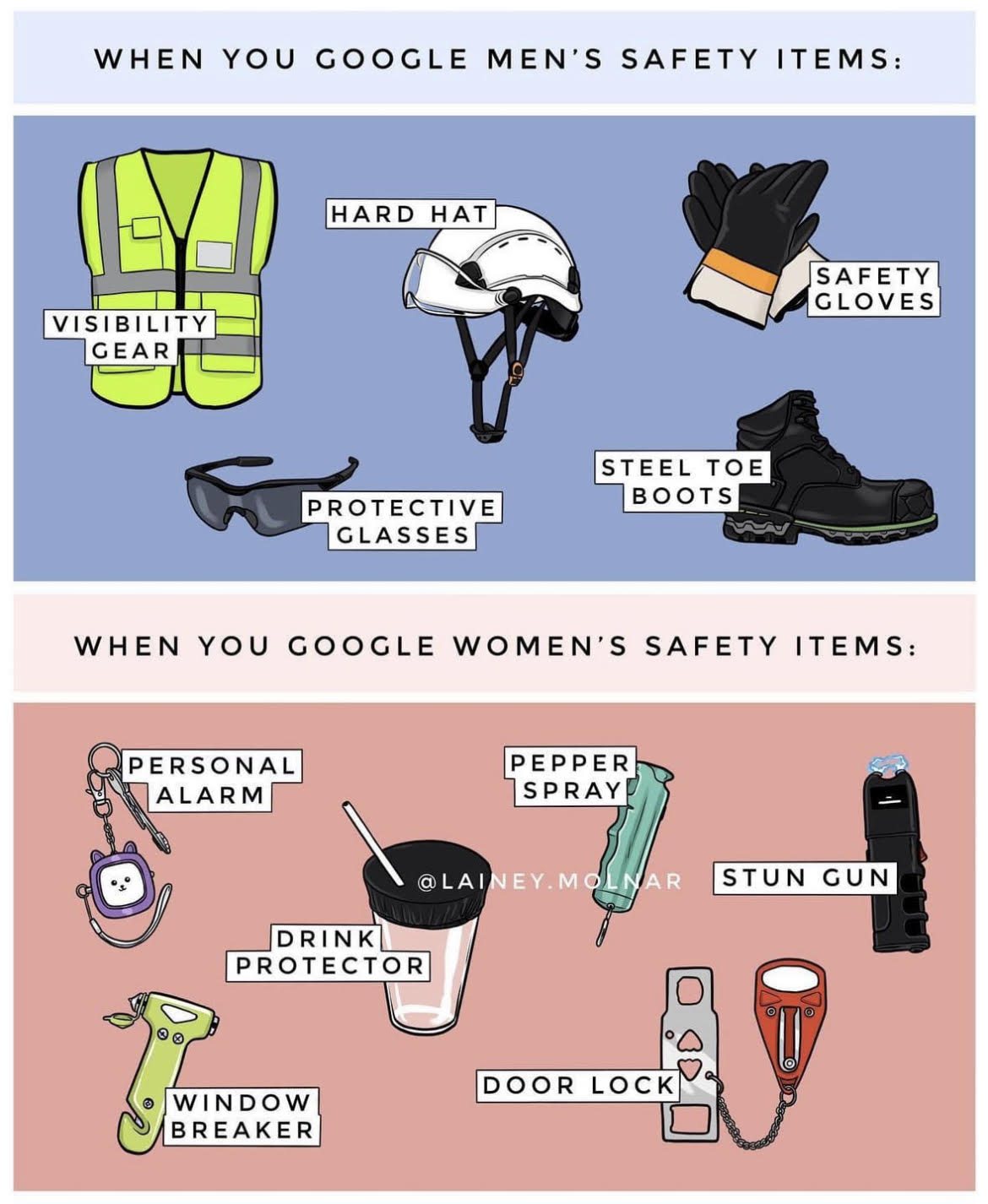
Women in New Zealand are carrying far too much responsibility for their own safety.
Not occasionally. Every day.
Most women probably don’t even notice how much mental energy goes into it anymore because it has become such a normal part of moving through the world. You walk through a car park with your keys ready, check who is behind you, text someone when you get home and choose a different route if something doesn’t feel quite right. You think about where you’re going, who you’re with, how you’re getting home and whether somewhere will feel safe after dark. Your phone is usually within reach, just in case.
None of these things necessarily feel like a big deal on their own. But put them together and they represent a constant background calculation that women have been doing for years.
While some of these precautions are sensible, there is something uncomfortable about how normal this has become.
Personal safety matters for everyone, but women are often given an enormous amount of responsibility for managing their own risk.
We’re told to be more aware, more careful and more prepared. We’re given lists of things we should and shouldn’t do, often with the underlying suggestion that if we follow the rules closely enough, we can prevent something bad from happening.
But what happens when we do everything we’re told and something still goes wrong?
That’s the part of the conversation about women’s safety that deserves more attention.
The problem with traditional women’s safety advice
We live in the world as it is, while continuing to work towards the world as it should be.
Women should be able to walk home, go for a run, work late, travel, meet friends or attend an event without constantly calculating the potential risks involved. Unfortunately, violence, harassment, abuse and intimidation are still realities that women encounter.
There is practical safety advice that can genuinely help. Being aware of your surroundings, choosing well-lit areas and listening to your instincts are all sensible ways of reducing risk.
The problem comes when safety advice becomes a set of restrictions that women are expected to organise their lives around.
Don’t walk alone at night. Keep your keys ready. Don’t wear headphones. Don’t leave your drink unattended. Tell someone where you’re going. Take a self-defence class. Check the back seat of your car.
We’ve heard these tips so many times that they can start to sound like universal rules rather than individual precautions.
And there’s an important distinction here. Reducing risk is useful. Making women responsible for preventing every possible bad outcome is something else entirely.
No woman can control the behaviour of another person, and no amount of preparation can guarantee that something won’t happen.
So rather than asking whether women are following every piece of safety advice correctly, perhaps we should also be asking a different question:
What happens when prevention fails?
Some safety advice is useful – but it has limits
Take the familiar advice about holding your keys between your fingers.
Having your keys ready when you’re walking to your car makes sense. It means you’re not standing outside searching through your bag when you could already be inside your vehicle.
But the idea that your keys should double as a weapon is a very different proposition.
When people are under extreme stress, their bodies don’t necessarily respond in the way they imagined they would. Fine motor skills can be affected, decision-making can become more difficult and a response that seemed straightforward in your head may not be quite so straightforward in the moment.
So by all means, have your keys ready if that makes you feel more comfortable. Just don’t mistake one small precaution for a complete personal safety plan.
The same applies to the advice that women shouldn’t walk alone at night.
There are obvious practical reasons for being more aware of your surroundings after dark. Choosing well-lit areas and staying alert can reduce some risks. But when that advice becomes a rule that women have to build their lives around, the consequences can go much further.
You leave somewhere early because you don’t want to travel home alone. You take a longer route because it feels safer. You stop going for an evening run or decide not to attend something because you don’t want to be out after dark.
Over time, those decisions can start to limit what women feel able to do.
Personal safety should help women live their lives with more confidence, not gradually make their lives smaller.
Self-defence can be valuable without becoming another responsibility
Self-defence training is one piece of safety advice that can be genuinely valuable.
It can help people develop awareness, confidence and physical skills, and many women find it empowering to feel more prepared to respond to a threatening situation.
But self-defence isn’t a guarantee that nothing will happen to you. More importantly, it shouldn’t become another expectation placed on women, as though learning the right techniques somehow makes them responsible for preventing violence against themselves.
There is no perfect personal safety strategy.
Self-defence can be one useful layer of a broader safety plan, just as awareness, prevention and having people you can rely on can all form part of that plan.
Trust your instincts
Then there’s the advice to trust your gut.
This is one piece of advice that deserves to be taken seriously. Sometimes you can’t explain exactly why a situation feels wrong. You simply have a feeling that something isn’t quite right, and that feeling can be enough reason to remove yourself from the situation.
You don’t need to wait until something objectively “bad” has happened before you decide to leave.
If someone is making you uncomfortable, you can walk away. If a situation feels wrong, you can change direction, go somewhere public, call someone or leave altogether.
You don’t need to justify the decision to anyone.
Your safety doesn’t require you to prove that your instincts were correct.
Letting someone know where you are is helpful, but it isn’t the same as knowing you’re safe
One of the most common pieces of personal safety advice is to tell someone where you’re going.
This is good advice. Letting a friend know you’re heading home, telling someone where you’re going or having someone expecting you can all provide an important layer of support.
But there is a gap between knowing someone’s plans and knowing that they’re okay.
Plans change. Phones aren’t always accessible. People can become lost or disoriented. Someone can fall, become unwell or suddenly find themselves in a situation that feels unsafe. There may be circumstances where reaching for a phone, making a call or sending a message simply isn’t possible.
And if nobody knows that something has changed, they may have absolutely no idea that help is needed.
That’s the gap we don’t talk about enough.
Personal safety is ultimately about connection
When you strip away all the individual tips and look at what really matters, one thing keeps coming back: connection.
Having people who know you, care about you and notice when something is unusual can make a significant difference when something goes wrong. More importantly, having people who can actually do something when you need help gives you another layer of protection.
Your personal safety network might include your partner, family, friends, colleagues, neighbours or several people who support you in different parts of your life.
The technology used to connect those people can be useful, but the people themselves are what matter.
That’s an important distinction when we talk about personal safety apps and other safety technology. The goal isn’t to replace human connection. It’s to make it easier for the people who care about you to be there when you need them.
What happens when prevention doesn’t work?
Most traditional safety advice focuses heavily on prevention. Be more careful. Be more aware. Manage your risk. Avoid vulnerable situations.
But there is much less discussion about what happens in the moment when those things aren’t enough.
What happens when something goes wrong?
Not ten minutes later, when someone realises you haven’t replied. Not when a friend starts wondering why you haven’t arrived home. Not when someone notices that something seems unusual.
What if you need help right then?
This is where technology can provide another layer of support.
A personal safety app such as HaloGuard can give someone a way to silently alert their chosen Guardians if they feel unsafe or something goes wrong. Rather than relying entirely on being able to find their phone, make a call or explain what’s happening, they can have a safety network already connected to them.
That doesn’t replace common sense, awareness or emergency services. It doesn’t prevent every dangerous situation from happening.
What it can do is provide another option when things don’t go to plan.
Women’s safety is about more than violence
When we talk about women’s safety, the conversation often focuses on assault, harassment and violence. Those risks are incredibly important, but personal safety is broader than that.
A woman going for a run alone might become lost or disoriented. Someone living alone might have a fall or a medical emergency. A person travelling somewhere unfamiliar might suddenly find themselves in a situation they don’t know how to handle. Someone working alone may need assistance unexpectedly.
These situations have something in common: they aren’t always predictable.
Most emergencies don’t announce themselves in advance. You can leave the house expecting an ordinary day and find yourself needing help a few hours later.
That’s why a good personal safety plan isn’t only about avoiding danger. It’s also about thinking through what happens when something you didn’t expect occurs.
A more realistic approach to women’s personal safety
Rather than giving women another long list of things they need to do perfectly, perhaps we should think about personal safety in layers.
Awareness is one layer. Paying attention to your surroundings and trusting your instincts can help you recognise when something doesn’t feel right.
Prevention is another. Where practical, reducing unnecessary risks makes sense, provided those precautions don’t end up controlling your life.
Connection is another important layer. Having people who know where you are and who you can contact when you need help creates a support network around you.
Then there is immediate support: having a way to alert those trusted people quickly if something goes wrong. And finally, having a backup plan for situations where your phone isn’t accessible, you can’t communicate normally or circumstances change unexpectedly.
None of this needs to be perfect.
The goal isn’t to create a foolproof system that guarantees nothing will ever happen.
The goal is to give yourself more options when something does happen.
Women shouldn’t have to carry the entire safety burden
Women in New Zealand are already doing a huge amount of invisible work to keep themselves safe. They think about where they’re going, who they’re with and how they’re getting home. They notice what time it is, who’s around them and whether a situation feels different from what they expected. They make decisions about whether to stay, whether to leave and whether they should call someone.
They’ve been doing this for so long that much of it happens automatically, often without even realising how much mental energy goes into it.
The answer isn’t to give women another 20 things they need to remember.
It’s to build better systems around them.
That means stronger connections, better support and ways for people to know when something is wrong. It means creating fewer situations where someone has to manage everything alone.
Because personal safety isn’t about getting everything right.
It’s about having someone there when it counts.
Looking for a personal safety solution in New Zealand?
HaloGuard is a New Zealand personal safety app designed to connect people with their trusted safety network when they need help.
With features including a silent SOS alarm, location sharing and live audio, HaloGuard provides another layer of support for people who may find themselves working alone, travelling, exercising, walking or living alone.
It’s not about replacing the people around you. It’s about helping those people be there when you need them.
Because you shouldn’t have to rely on being able to shout for help, find your phone or explain what’s happening before someone knows you need support.
Your safety network should be there when you need them.
Start Your Free Trial!
See how the HaloGuard App keeps you connected to the people who matter most when it counts.