4 September 2026
Personal Safety for Women in NZ: What We’re Told to Do and What Actually Works
Personal Safety for Women in NZ: What We’re Told to Do, and What Actually Works
Women in New Zealand are carrying far too much responsibility for their own safety.
Not occasionally. Every day.
You probably don’t even notice it anymore because it’s become part of how women move through the world.
Walking through a car park with your keys ready.
Checking who is behind you.
Texting someone when you get home.
Choosing a different route because it feels safer.
Avoiding certain places after dark.
Keeping your phone within reach.
Always being just a little bit switched on.
It’s normal now.
But normal doesn’t mean right.
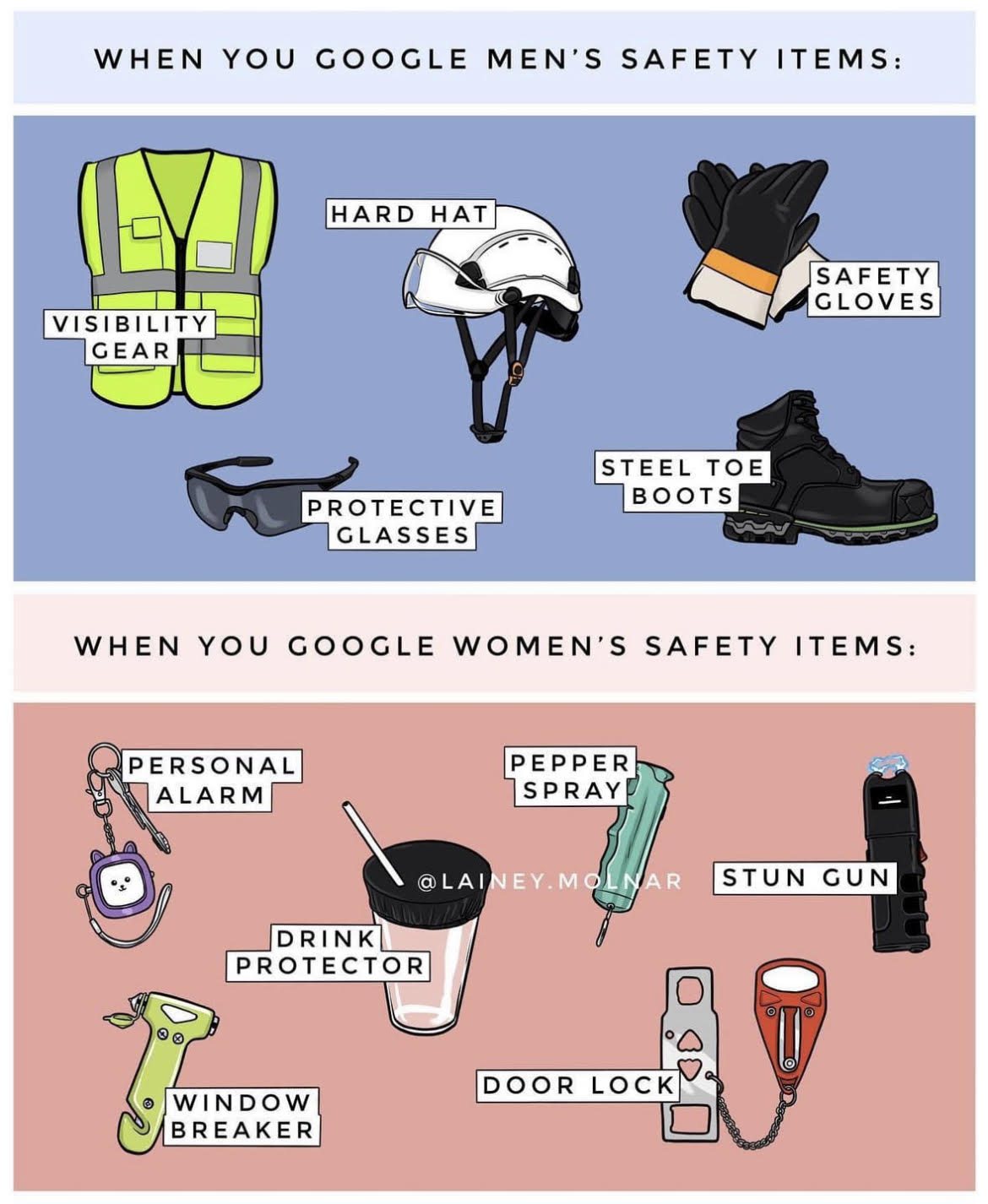
Personal safety matters for everyone, but women are often given a very specific rulebook for staying safe. A long list of things they should and shouldn’t do – many of which essentially say: manage yourself better and you’ll reduce your risk.
But what happens when something still goes wrong?
That’s the conversation we need to have.
The problem with traditional women’s safety advice
We live in the world as it is, not the world as it should be.
And in the world as it is, women in New Zealand still experience violence, harassment, abuse and intimidation.
So yes, we should keep working towards a world where women can move freely without having to constantly assess risk.
But while we work towards that, we also need to be honest about the personal safety advice women are given.
Some of it is genuinely useful.
Some of it is outdated.
And some of it puts the entire responsibility for staying safe back onto women.
The usual advice sounds something like:
- Don’t walk alone at night.
- Hold your keys between your fingers.
- Stay in well-lit areas.
- Don’t wear headphones.
- Tell someone where you’re going.
- Trust your gut.
- Take a self-defence class.
- Don’t leave your drink unattended.
- Check the back seat of your car.
We’ve heard these tips so many times that they can sound like universal truths.
But how much of this advice actually helps?
And what happens when prevention fails?
“Hold your keys between your fingers”
This is one of those personal safety tips for women that gets repeated constantly.
Have your keys ready so you can get into your car quickly? Absolutely.
Using your keys as an improvised weapon? That’s a different story.
When people are under extreme stress, their bodies don’t necessarily behave the way they expect. Fine motor skills can be affected, decision-making can become difficult and the carefully rehearsed response you imagined may not happen.
Having your keys ready can reduce the amount of time you’re standing around outside your car.
But keys aren’t a personal safety plan.
They’re one small precaution.
And there’s a difference between feeling like you have control and actually having a reliable way to get help when something goes wrong.
“Don’t walk alone at night”
There’s a practical reason this advice exists.
Being aware of your surroundings after dark is sensible. Choosing well-lit areas and staying alert can reduce some risks.
But the problem comes when this becomes a rule that women have to organise their lives around.
You don’t go.
You leave early.
You take the long way home.
You stop doing certain things.
You decide something isn’t worth the risk.
Slowly, your world gets smaller.
That isn’t the same thing as safety.
Women should be able to walk home, go for a run, work late, attend an event, travel, meet friends or simply live their lives without having to constantly calculate whether they’re allowed to do it.
The goal should be reducing risk – not restricting women’s lives.
“Take a self-defence class”
This one gets a big tick from us.
Self-defence training can be valuable. It can build confidence, awareness and physical skills. For many women, it can also be incredibly empowering.
But it’s important to understand what it can (and can’t) do.
Self-defence isn’t a guarantee that nothing will happen to you.
It isn’t a force field.
And it shouldn’t become another thing women are expected to master so that they’re somehow responsible for preventing violence against themselves.
Think of it as one layer of a personal safety plan, not the whole plan.
“Trust your gut”
This one is different.
Your instincts matter.
Sometimes you can’t explain why something feels wrong. You just know that something isn’t right.
That feeling is worth paying attention to.
If a situation feels uncomfortable, you don’t need to justify leaving.
You don’t need to wait until something objectively “bad” happens.
Move somewhere safer.
Change direction.
Call someone.
Go into a shop or public place.
Leave.
Your safety doesn’t require you to prove that your instincts were correct.
“Let someone know where you are”
This is good advice.
In fact, it’s one of the simplest things you can do to improve your personal safety.
Tell someone where you’re going.
Let a friend know when you’re heading home.
Have someone expecting you.
But there’s an important limitation.
Knowing someone’s plans isn’t the same as knowing something has gone wrong.
Life doesn’t always follow the plan.
You might change your route.
Your phone might be difficult to access.
You might become unable to make a call.
You might fall.
You might suddenly feel unsafe.
You might be dealing with a situation where reaching for your phone isn’t possible.
And your friend may have absolutely no idea that anything is wrong.
That’s the gap we don’t talk about enough.
What actually makes a difference to personal safety?
If you strip away all the individual tips and look at what really matters, one thing keeps coming back:
Connection.
People who know you.
People who care about you.
People who notice when something is unusual.
People who can act when something goes wrong.
Personal safety isn’t just about being more aware or learning how to defend yourself.
It’s also about having people in your corner when you need them.
That’s why having a personal safety network matters.
It might be your partner.
Your family.
A friend.
A colleague.
A neighbour.
Or several people who can be there for different situations.
The technology can help connect those people – but the people themselves are what matter.
The part of women’s safety we don’t talk about enough
Most traditional safety advice focuses on prevention.
Be more careful.
Be more aware.
Manage your risk.
Don’t put yourself in vulnerable situations.
But there isn’t nearly as much discussion about what happens when prevention fails.
What happens when something goes wrong?
Not ten minutes later.
Not when someone notices you haven’t replied.
Not when your friend starts wondering where you are.
Right then.
That’s where technology can play a role.
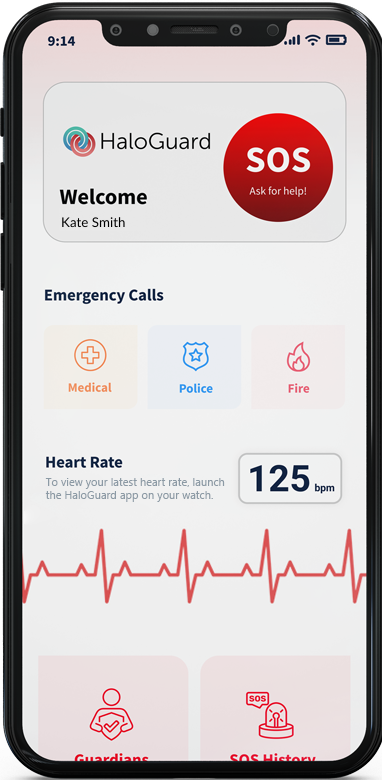
A personal safety app such as HaloGuard can give someone a way to silently alert their chosen Guardians if they feel unsafe or something goes wrong.
Instead of relying entirely on being able to make a phone call, a person can have a safety network already connected to them.
That’s an important distinction.
It’s not about replacing common sense, awareness or emergency services.
It’s about adding another layer of support.
Personal safety isn’t just about violence
When we talk about women’s safety, the conversation often focuses exclusively on assault or violence.
Those risks matter.
But personal safety is much broader than that.
It’s also:
- Falling while you’re alone.
- Becoming lost or disoriented.
- Feeling unsafe and not knowing exactly why.
- Having a medical emergency.
- Being involved in an accident.
- Finding yourself in a situation that escalates unexpectedly.
- Working alone.
- Travelling somewhere unfamiliar.
- Going for a run or walk by yourself.
- Living alone.
Most emergencies don’t announce themselves in advance.
Something happens.
And suddenly the plan you had five minutes earlier doesn’t matter anymore.
That’s why a good personal safety plan isn’t only about avoiding danger.
It’s also about what happens when things don’t go to plan.
A better approach to women’s personal safety
Instead of giving women another list of things they have to do perfectly, perhaps we should think about safety in layers.
1. Awareness
Pay attention to your surroundings and trust your instincts.
2. Prevention
Where practical, reduce unnecessary risks without allowing safety concerns to control your life.
3. Connection
Have people who know where you are and who you can contact when you need help.
4. Immediate support
Have a way to alert your trusted people quickly if something goes wrong.
5. Backup
Know what you’ll do if your phone isn’t accessible, you can’t communicate normally or the situation changes suddenly.
It’s not about creating a perfect safety system.
It’s about creating more options when something goes wrong.
Women shouldn’t have to carry the entire safety burden
Women in New Zealand are already doing a huge amount of invisible work to keep themselves safe.
They think about where they’re going.
Who they’re with.
How they’re getting home.
What time it is.
Who’s around them.
Whether they should call someone.
Whether they should stay.
Whether they should leave.
They’ve been doing this for so long that much of it happens automatically.
The answer isn’t to give women another 20 things they need to remember.
It’s to build better systems around them.
Stronger connection.
Better support.
Faster awareness when something is wrong.
And fewer situations where someone has to handle everything alone.
Because personal safety isn’t about getting everything right.
It’s about having someone there when it counts.
Looking for a personal safety solution in New Zealand?
HaloGuard is a personal safety app designed to connect people with their trusted safety network when they need help.
With features including a silent SOS alarm, location sharing and live audio, HaloGuard provides another layer of support for people who may find themselves working, travelling, exercising or living alone.
Because you shouldn’t have to rely on being able to shout for help.
And you shouldn’t have to handle everything alone.
Your safety network should be there when you need them.
Start Your Free Trial!
See how the HaloGuard App keeps you connected to the people who matter most when it counts.